Sri Lanka Photography Guide: Best Spots, Light & Tips
Last Updated: April 2026
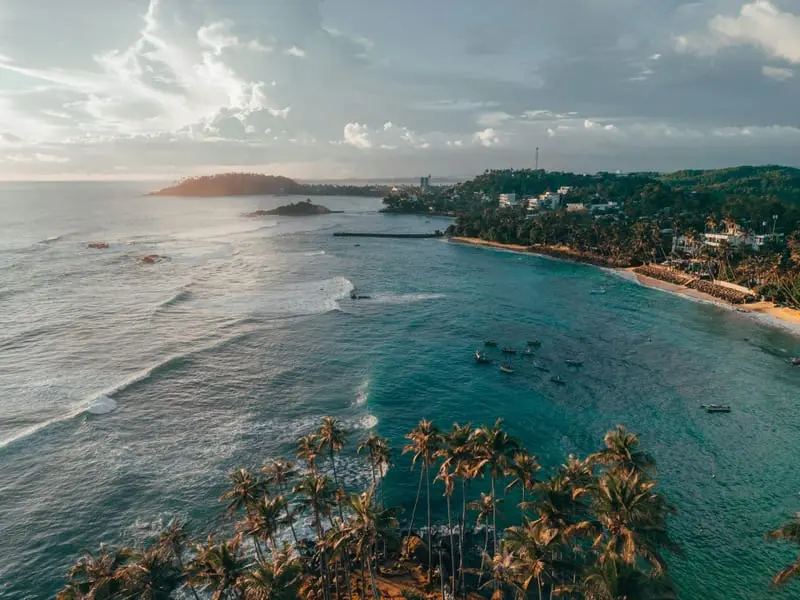
Sri Lanka is a photographer's island. The variety packed into this compact country — ancient rock fortresses, tea-covered hillsides, colonial coastal forts, Buddhist temples draped in firelight, leopards in dry forest, and an extraordinary range of endemic birdlife — means that almost wherever you point your camera, you find something worth photographing.
The challenge is not finding subjects but finding the best light, the right access, and the patience to wait for the extraordinary moment rather than settling for the obvious one. This guide covers the island's most photogenic locations with specific advice on timing, positioning, and approach.
The Nine Arch Bridge, Ella
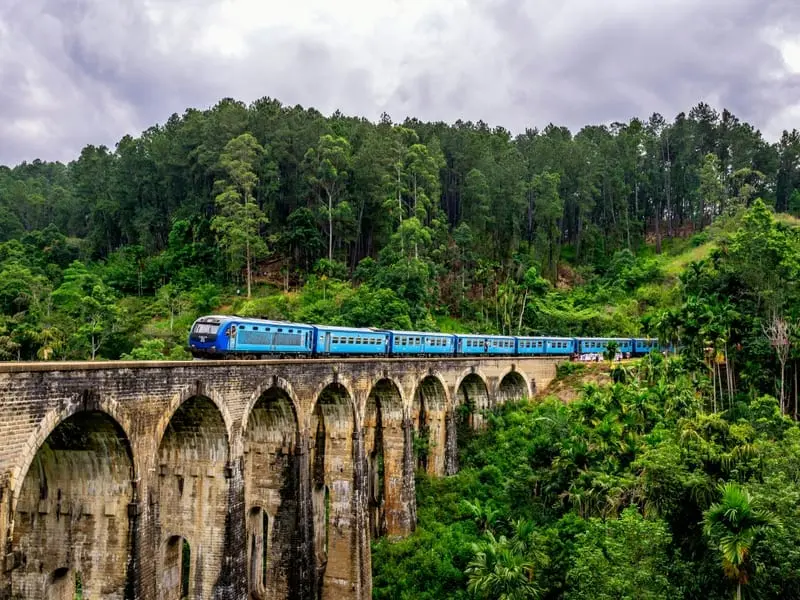
Sri Lanka's most photographed single image — a colonial-era stone viaduct curving through lush green jungle, framed by jungle and tea bushes. The challenge is separating your version from the millions already taken.
Best approach: Arrive at dawn (6–7am) before the tour buses. Morning mist in the valley below the bridge creates atmospheric conditions that midday light destroys. The classic viewpoint is from the jungle path on the northern side (ask at your guesthouse for the exact path). For trains — the train schedule from Ella is visible on the Sri Lanka Railways website; position yourself 10 minutes before the train is due. The train passes at around 9:30am and around 3pm heading different directions — check the current schedule.
Sigiriya Rock Fortress at Sunrise
Sri Lanka's most iconic structure, the 5th-century rock fortress rising 200 metres from the surrounding plain. The crowds arrive from 8am — be there at opening (7am) or book a private guided sunrise entry if the park allows early access.
Best shots: The classic mirror-pool reflection shot is from the eastern water gardens — arrive early before the water surface is disturbed. The summit view at dawn, before the light flattens, captures the cloud-covered lowland plain stretching to the horizon. From Pidurangala Rock (30 minutes' hike, adjacent to Sigiriya) you get the famous aerial view of the rock fortress from above — the single best photography vantage point in Sri Lanka. Pidurangala is often less crowded than Sigiriya itself and the views are arguably superior.
Tea Plantations — Nuwara Eliya, Ella, Haputale
Sri Lanka's tea country photographs beautifully at almost any time of day, but early morning with mist in the valleys is transcendent. The tea pluckers — predominantly Tamil women in colourful saris with baskets on their backs — are among the most photographed subjects in Sri Lanka. Ask before photographing — a nod, a smile, and sometimes a small payment is the respectful approach. Many pluckers are accustomed to photography and may pose willingly; others prefer not to be photographed.
Best locations: The hill above Lipton's Seat (near Haputale), the estate roads around Pedro Tea Estate (Nuwara Eliya), and the surrounding hillsides around Ella Rock for landscapes. The drive on the A4 from Haputale to Badulla through managed tea estate is one of the island's most photogenic roads.
Galle Fort — Golden Hour
The Dutch colonial ramparts of Galle Fort photograph beautifully in late afternoon golden hour and blue hour after sunset. The lighthouse at the south rampart with the Indian Ocean behind is a classic. Walk the full perimeter of the ramparts during the 1.5 hours before sunset — the light changes dramatically and each angle offers different compositions.
Inside the Fort, the colonial streets with their boutiques, cafes and restored Dutch townhouses photograph well throughout the day — midday light on the white-walled streets can be harsh but creates strong shadows that work well in black and white.
Wildlife Photography — Yala and Minneriya
Sri Lanka's wildlife photography highlights:
- Leopards at Yala — Sri Lanka has the world's highest density of wild leopards per square kilometre. Dawn game drives offer the best light and most active animals. A 400mm+ telephoto is recommended. Patience is required — leopards are abundant but not always visible.
- The Elephant Gathering, Minneriya — August to October, hundreds of elephants converge around the receding Minneriya Reservoir. Wide angle for the landscape, telephoto for individual portraits and behaviour shots.
- Blue whales, Mirissa — photographing blue whales requires a long telephoto (500mm minimum useful) and patience with boat movement. Go in January–March for the best conditions. A monopod or gimbal head helps with the rocking boat.
- Endemic birds — Sri Lanka has 35 endemic bird species including the Sri Lanka junglefowl (national bird), Sri Lanka blue magpie, and Serendib scops owl. Sinharaja Rainforest and Kitulgala are the prime birding photography locations.
Temple Photography
Sri Lanka's Buddhist temples offer extraordinary photography opportunities — monks in saffron robes, candlelit ceremonies, flower offerings, and incense smoke. Key guidelines:
- Always ask before photographing monks or temple ceremonies
- Avoid flash photography inside temples
- Evening puja at the Temple of the Tooth in Kandy (6:30pm) is extraordinary — the drums, elephants and candlelit procession; a tripod or stabilised camera is needed in the low light
- Kataragama during the Esala Perahera (July/August) is one of Asia's most visually intense festivals
Practical Photography Tips
- Golden hour timing: Sunrise in Sri Lanka is typically 6–6:30am year-round; sunset 6–6:30pm. Plan shoots around these windows.
- Monsoon light: The southwest monsoon (May–September on the west coast) brings dramatic skies, fast-moving clouds and post-rain light that can be extraordinary for landscapes.
- Tuk-tuk photography: For intimate street photography, a tuk-tuk moving through markets and towns at low speed is a useful vantage point — the slight elevation and the open sides allow candid shots that walking makes harder to manage.
- Memory and power: Sri Lanka's photography opportunities are relentless — bring significantly more storage than you think you'll need. Power cuts are less common than before but power banks are useful on safari days.
- Drone regulations: Drone photography requires a permit from the Civil Aviation Authority of Sri Lanka. Drones are prohibited near military sites, airports, and national parks without special permission. Apply several weeks in advance if you plan to fly commercially or near regulated areas.
The Shots Most Photographers Miss
- The pre-dawn activity at Pettah Market, Colombo — produce, fish and flower vendors setting up under artificial light, 4–5am
- The coastal train journey — shoot from the open doorway of the train as it runs along the cliff edge north of Hikkaduwa
- Jami Ul-Alfar Mosque in Pettah at golden hour — the red-and-white striped facade in warm light
- Stilt fishermen south of Galle, ideally in evening light with the sea as background
- The fireflies at Sinharaja Rainforest — long exposure photography of synchronised firefly displays after dark
Sri Lanka rewards the photographer who moves slowly, arrives early, and stays beyond the obvious subjects. The island's surface images are well-documented; the extraordinary pictures are still waiting for those patient enough to find them.