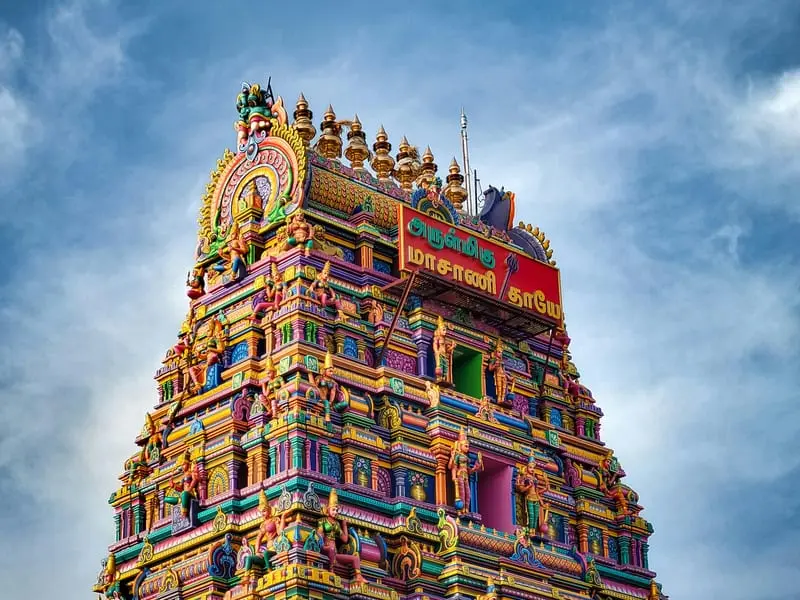
North Sri Lanka
Jaffna and the Northern Province — Tamil culture, ancient temples and lagoon island adventures
Northern Sri Lanka is the island's most recent travel frontier. The region was effectively closed to tourists for over two decades during the civil war, which ended in 2009. Since then, it has been steadily reopening — and what travellers are discovering is one of Sri Lanka's most distinctive and rewarding destinations. Jaffna, the northern capital, is a city unlike anywhere else in Sri Lanka, with its own cuisine, its own architecture, its own music and a cultural life rooted in Dravidian Tamil tradition stretching back over 2,000 years.
The landscape is flat, dry and dramatic — a peninsula of shallow lagoons, palmyrah palm forests and sandy causeways connecting to a chain of inhabited islands. The pace is slower here, the people are warm and welcoming, and the feeling of genuine discovery — of visiting somewhere before the tourist infrastructure overwhelms it — is real and precious.
Jaffna
Sri Lanka's Tamil capital — temples, colonial forts and island lagoons
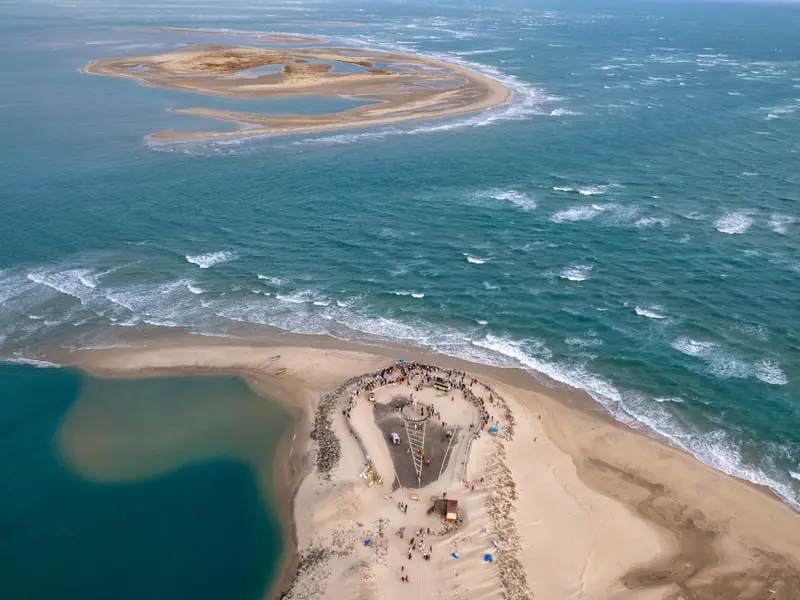
Mannar
Remote island with ancient baobab trees, a Portuguese fort and exceptional bird watching
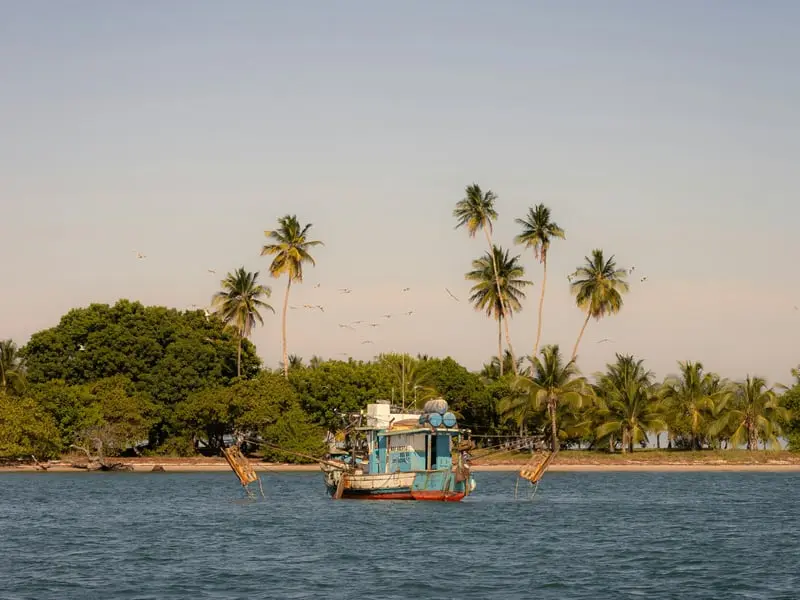
Delft Island
Wild, windswept island of wild ponies, coral-stone walls and ancient ruins near Jaffna
What to Expect in Jaffna
Jaffna moves at its own rhythm. The food is unlike anything else in Sri Lanka — less coconut, more tamarind; fresh crab curries, palmyrah-based sweets, robust spice mixes, short eats at dawn in the market. The architecture reflects layers of colonial occupation: Portuguese, Dutch and British walls and churches sit alongside ornate Hindu gopurams (tower gateways). The Nallur Kandaswamy Kovil — the most important Hindu temple in Sri Lanka — is Jaffna's spiritual heart, its towering orange-and-white gopuram visible from across the city.
The islands connected to the Jaffna Peninsula by causeway are a highlight of any visit. Kayts, Karaitivu and the road north to Kurikaduwan — from where ferries cross to Nainativu Island — make for a perfect day of cycling through flat, lagoon-fringed landscapes. Nainativu itself hosts both a significant Hindu temple (Nagapooshani Amman) and a Buddhist dagoba, side by side — a quietly moving symbol of Sri Lanka's shared heritage.
Getting to Jaffna
The train from Colombo Fort to Jaffna takes approximately 6–7 hours and is one of Sri Lanka's most historically significant journeys — the line was rebuilt after the war and reopened in 2014. Book in advance (observation class is available). Flying is faster: FitsAir operates daily Colombo–Jaffna flights in about 1 hour. By road, it is a 6–7 hour drive. Most travellers combine Jaffna with Anuradhapura (3 hours south) as part of a northern loop.
Best Time to Visit
Jaffna is best visited from May to October — the dry season for the north, when the southwest monsoon spares this region. November to February brings the northeast monsoon with heavy rain. The Nallur Festival in August is one of Sri Lanka's most spectacular religious events — 25 days of ceremonies, chariot processions and fire-walking around the Nallur Kandaswamy Kovil that draws hundreds of thousands of pilgrims.
🏨 Find Hotels in North Jaffna
Powered by Expedia — compare prices and book securely