Quick Facts
- Province
- Northern Province
- Best Season
- May–October
- Best For
- Culture, temples, cycling
- Budget
- LKR 2,500–12,000/night
- Days Needed
- 2–3 days
- From Colombo
- 6–7 hrs by train
Jaffna is a revelation. Sri Lanka's northern capital — Tamil-majority, deeply Hindu, still scarred in places by the long civil war, but increasingly open to visitors and unmistakably vibrant — is unlike anywhere else on the island. The food is different, the temples are different, the language is different, the landscape is different. It is Sri Lanka's most distinct cultural experience, and those who make the journey north invariably return raving about it.
Nallur Kandaswamy Kovil
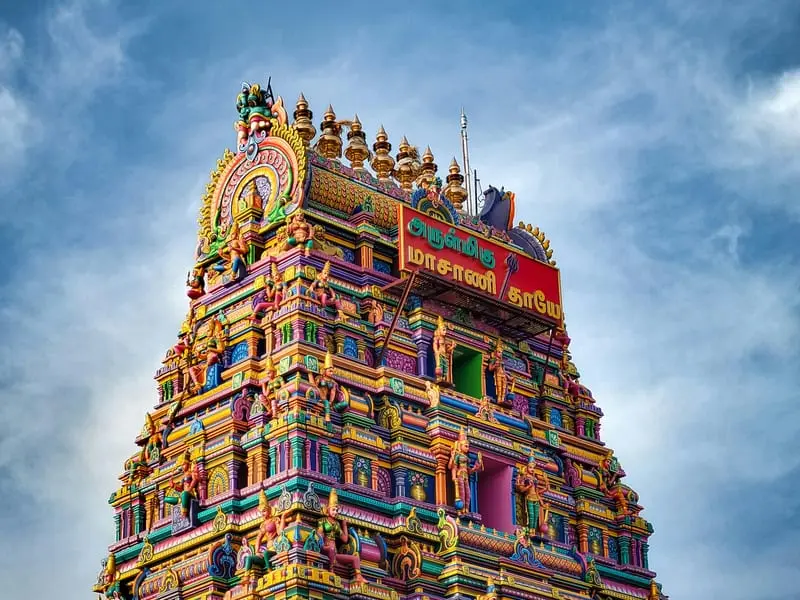
The most important Hindu temple in Sri Lanka — a magnificent structure whose soaring orange-and-white gopuram (gateway tower) dominates the Jaffna skyline. The temple is dedicated to Murugan (Kartikeya), the son of Shiva, and is one of the most active centres of Tamil Hindu worship in the country. The 25-day Nallur Festival in July–August draws hundreds of thousands of pilgrims and is extraordinary to witness — chariot processions, fire-walking, devotees in states of religious ecstasy. Daily puja ceremonies (morning and evening) are open to respectful visitors. Remove shoes and cover up before entering.
Jaffna Fort
Built by the Portuguese in 1618 and subsequently enlarged by the Dutch, Jaffna Fort is one of the best-preserved colonial forts in Sri Lanka. The Dutch-era architecture — brick ramparts, a moat, graceful arched gateways — is distinctive and historically significant. The fort was heavily used by the military during the civil war and was only fully opened to the public after 2009. Walk the ramparts for views across the lagoon. Inside the fort, the Queen's House and several colonial buildings are being gradually restored.
Cycling the Jaffna Islands
The best way to experience Jaffna's unique geography is by bicycle. The peninsula is connected by causeways to a chain of flat, lagoon-fringed islands — Kayts, Karaitivu, Punguduthivu — that are superb cycling territory. The roads are flat, traffic is light, and the scenery (palmyrah palms against blue lagoon water, traditional Tamil villages, fishing boats) is wonderful. From Kurikaduwan jetty, ferries cross to Nainativu Island — home to both the Nagapooshani Amman Hindu temple and a Buddhist dagoba sitting side by side, an extraordinary symbol of shared heritage. The small island of Delft (Nedunthivu) further out has wild ponies, colonial ruins and an otherworldly atmosphere.
Jaffna Food
Jaffna cuisine is a revelation for anyone who has spent time eating their way around southern Sri Lanka. The flavours are bolder, the coconut is used less (tamarind is more dominant), and several dishes are unique to the north. Jaffna crab curry is the signature dish — often cited as one of the best curries in Sri Lanka. Palmyrah toddy (a mildly alcoholic palm juice), kool (a thick seafood broth), and a variety of unique short eats are found in the local markets. The Jaffna market in the morning is a wonderful place to eat and watch the city come to life.
Best Hotels in Jaffna
Jaffna's accommodation has expanded significantly since 2009 — from simple guesthouses to comfortable hotels with excellent food and knowledgeable local hosts.
Find Hotels on Booking.comThis post contains affiliate links. We earn a small commission at no extra cost to you.
Getting to Jaffna
The train from Colombo Fort to Jaffna (the Yal Devi express) is the most atmospheric way to arrive — the line passes through Anuradhapura and crosses into the north on a historically significant route. Journey time approximately 6.5–7 hours. Book in advance. Flying is faster: FitsAir operates daily flights from Colombo to Jaffna (approximately 1 hour). By road, the A9 highway from Colombo through Vavuniya to Jaffna takes about 7 hours. Combine with Anuradhapura (3 hours south) for an excellent northern loop.