East Coast
World-class surf, pristine beaches and ancient Hindu temples along Sri Lanka's undiscovered eastern shore
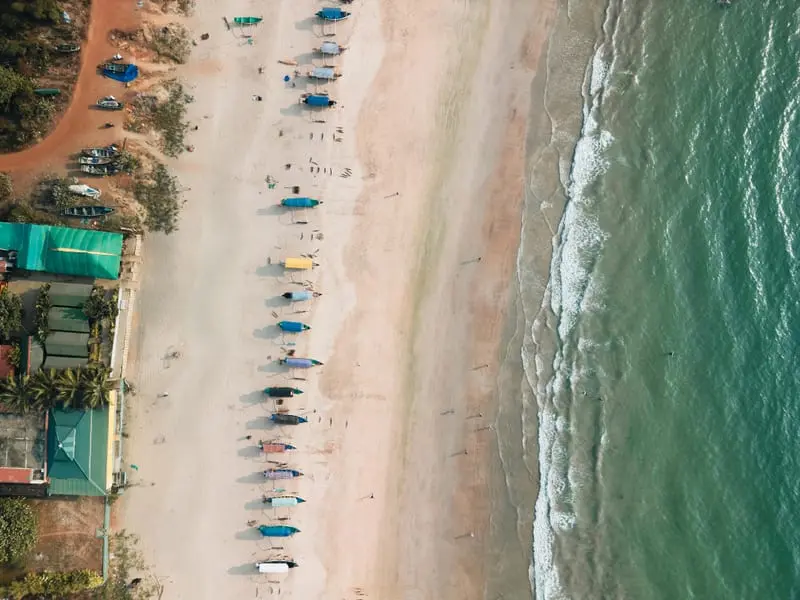
Sri Lanka's east coast is a revelation for travellers who make the effort to get there. While the south coast attracts the lion's share of visitors, the east remains relatively unspoilt — a 300-kilometre stretch of white-sand beaches, turquoise lagoons, dramatic cliffs and Hindu temples that feels like a different country. The key to understanding the east coast is its season: it is at its absolute best from May to September, when the southwest monsoon dumps rain on the rest of Sri Lanka but leaves the east dry and glittering.
Two destinations dominate the east coast itinerary: Trincomalee in the north, with its magnificent natural harbour, pristine Pigeon Island, colonial forts and legendary hot springs; and Arugam Bay in the south, a legendary surf village whose main point break is ranked among the world's top ten right-handers. Between them lies a string of beautiful, largely empty beaches.
Trincomalee
World-class natural harbour, Pigeon Island snorkelling and Hindu cliff temple

Arugam Bay
Asia's legendary surf village — the A-Bay point break is world-famous
Nilaveli
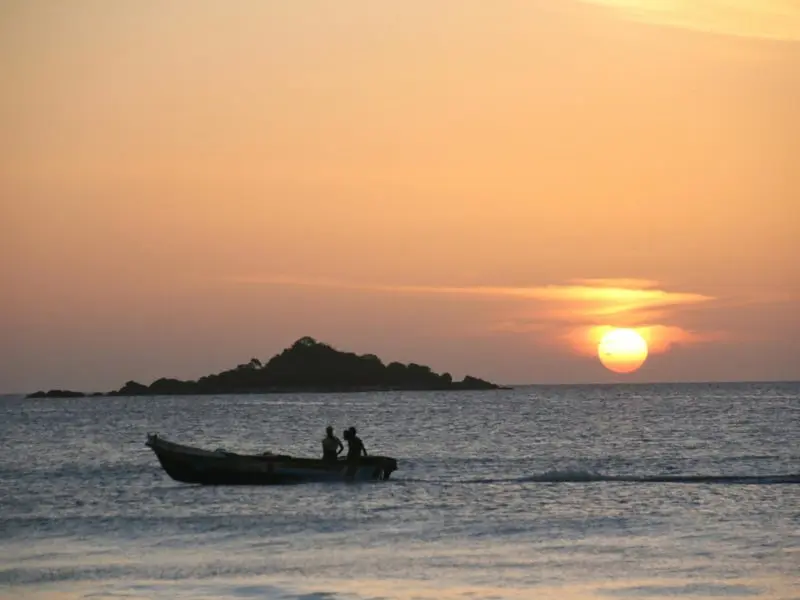
White-sand beach near Trincomalee — gateway to Pigeon Island coral reef

Uppuveli
Quiet east coast beach just north of Trincomalee, perfect for relaxed beach days
Batticaloa
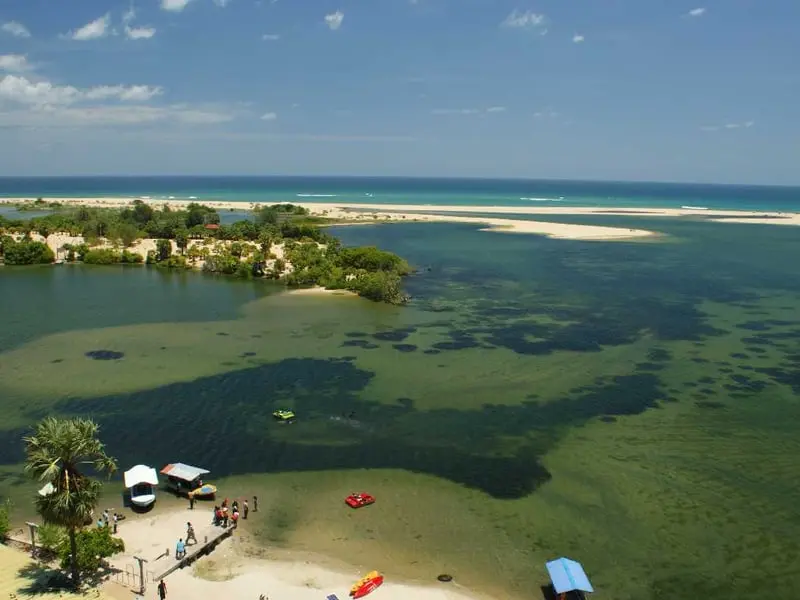
The Singing Fish lagoon, Dutch fort ruins and an east coast city rediscovering tourism
Pigeon Island
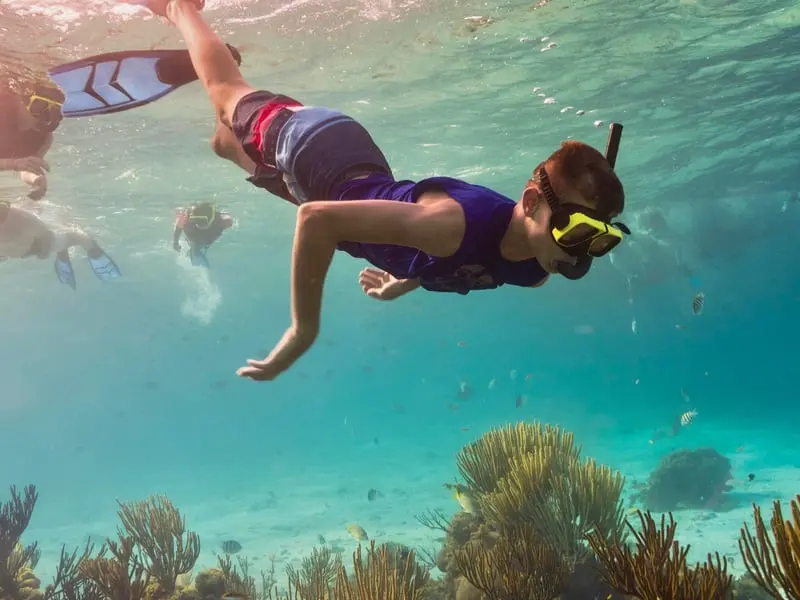
Sri Lanka's finest snorkelling — blacktip reef sharks and pristine coral off Nilaveli
When to Visit the East Coast
The east coast's prime season runs from May through September — the opposite of the south and west coasts. This is when the northeast monsoon has retreated and the southwest monsoon, which hammers the rest of Sri Lanka, passes over the central highlands and leaves the east sheltered and dry. The sea is calm, the skies are blue, and the surf at Arugam Bay is pumping. By October, the northeast monsoon begins to arrive on the east coast, bringing rough seas and occasional heavy rain.
Trincomalee is slightly different — the town itself and the beaches just north (Uppuveli, Nilaveli) are best from April to September, while Pigeon Island snorkelling is optimal in this same window. The underwater visibility drops significantly from October onwards. Whale sharks visit the waters between January and April.
Getting to the East Coast
The east coast is genuinely remote — getting here is part of the adventure. From Colombo, Trincomalee is about 7–8 hours by bus or train (via Habarana). Arugam Bay is roughly 8 hours from Colombo by overnight bus or a combination of bus and tuk-tuk from Pottuvil. An alternative is to fly — FitsAir operates Colombo to Batticaloa (closest airport to Arugam Bay) and there is a small airstrip near Trincomalee. Many travellers combine the Cultural Triangle with Trincomalee, then travel south along the east coast to Arugam Bay before heading inland to the Hill Country.
East Coast Culture
The east coast is home to a large Tamil and Muslim population — the cultural experience here is distinctly different from the Sinhalese-Buddhist south. Hindu kovils (temples) are a feature of every town; the Koneswaram temple in Trincomalee, perched dramatically above the sea on a cliff, is one of Sri Lanka's most spectacular. The Muslim fishing communities along the coast maintain traditional ways of life, and the fresh seafood available at coastal towns is exceptional — grilled reef fish, lagoon crab and prawn curry are the specialities.
🏨 Find Hotels in East Coast
Powered by Expedia — compare prices and book securely