Pigeon Island: Sri Lanka's Best Snorkelling Destination
Last Updated: April 2026
Pigeon Island is the jewel of Sri Lanka's east coast — a small island national park just 1 kilometre off the beach at Nilaveli, near Trincomalee. Its coral reef is the best accessible reef in Sri Lanka for snorkelling, with stunning hard coral formations, abundant reef fish, and a resident population of blacktip reef sharks that make every entry into the water an extraordinary experience.
The island itself is tiny — barely 5 hectares — and access is tightly controlled as a national park, which has helped preserve the reef in far better condition than many other Sri Lankan sites. The combination of easy access (a short boat ride), protected status, and genuinely impressive underwater scenery makes Pigeon Island one of the country's unmissable natural experiences.
The Snorkelling
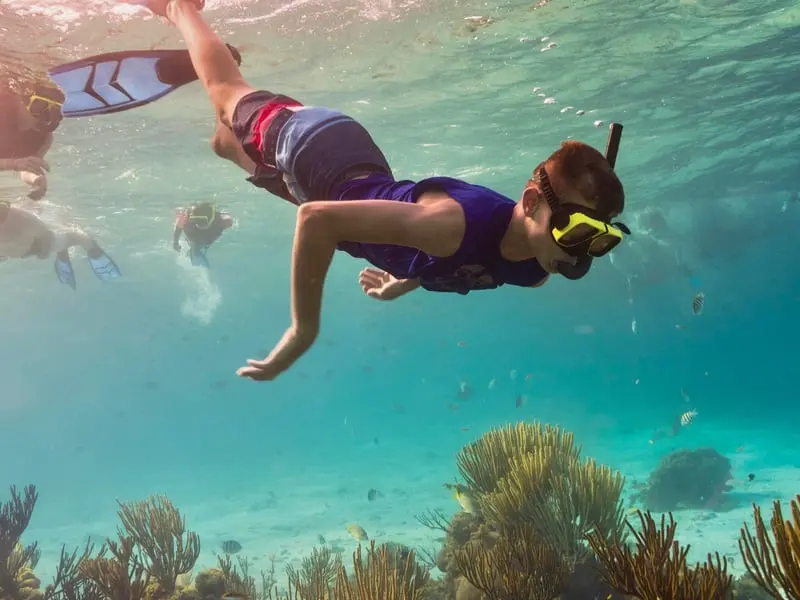
The reef wraps around the entire island, with the best snorkelling on the western and southern sides. Conditions:
- Coral coverage: Hard coral formations including table corals, brain corals and staghorn coral. Coverage is significantly better than the west coast reefs.
- Fish life: Reef fish are abundant — parrotfish, triggerfish, wrasse, surgeonfish, moorish idols, and schools of fusiliers.
- Blacktip reef sharks: The main event. A resident population of blacktip reef sharks patrols the reef — typically 1–1.5 metres long, completely harmless to snorkellers, and extraordinary to observe up close. Sightings are near-certain on a good day.
- Sea turtles: Green and hawksbill turtles are frequently encountered.
- Visibility: Typically 10–20 metres in good conditions.
The water is shallow enough to snorkel (1–5 metres on most of the reef platform) and warm year-round at 27–30°C. No wetsuit required.
Diving at Pigeon Island
While snorkelling covers most of the reef, diving reveals the deeper sections — including drop-offs and caves on the island's south side. Several dive operators in Nilaveli and Uppuveli offer fun dives and PADI courses that include Pigeon Island. Divers have better access to the shark aggregations and can explore the reef at depth. Dive trips typically cost USD 35–60 per dive including equipment.
Getting to Pigeon Island
Boats depart from Nilaveli Beach (approximately 16 kilometres north of Trincomalee). The boat crossing takes about 10 minutes. Boats are operated by licensed operators from the beach — expect to pay around LKR 1,500–2,000 per person return for the boat transfer.
The national park entry fee (payable at the jetty on the island) is USD 15 per person for foreign visitors. Sri Lankan nationals pay significantly less. Snorkel gear can be rented from operators at the beach if you haven't brought your own — quality varies, so bringing your own mask and snorkel is recommended.
Best Time to Visit
The east coast of Sri Lanka has the opposite weather pattern to the west coast. The best season is from May to September, when the northeast monsoon has cleared and the sea is calm. August is considered peak month — clear skies, excellent visibility, calm conditions.
Avoid November through March when the northeast monsoon brings rough seas and poor visibility — boat crossings may be cancelled, and conditions make snorkelling uncomfortable even when possible.
April and October are shoulder months — conditions can be acceptable but variable.
What to Bring
- Your own mask and snorkel (highly recommended — rental quality is inconsistent)
- Reef-safe sunscreen (regular sunscreen is banned in the national park)
- Rash guard or thin wetsuit top — protection from sun exposure while snorkelling
- USD 15 in cash for the entry fee (exact change helpful)
- Waterproof bag for your phone/camera
- Underwater camera or GoPro — the wildlife is exceptional for photographs
- Water and snacks — there are no facilities on the island
Getting to Trincomalee/Nilaveli
Trincomalee is on Sri Lanka's northeast coast, around 260 kilometres from Colombo. Getting there:
- By train: Colombo to Trincomalee via Gal Oya — about 8–9 hours. The train runs a few times daily; book in advance on the Sri Lanka Railways website.
- By bus: Express buses from Colombo run to Trincomalee in 5–6 hours.
- By car: Hire a car from Colombo — around 5 hours via the A6/A9 highway.
From Trincomalee town, take a tuk-tuk or taxi to Nilaveli Beach (about 20 minutes, LKR 600–800). Most guesthouses in Nilaveli and Uppuveli can arrange boat transfers to Pigeon Island.
Practical Notes
- The national park has a daily visitor limit — arrive early (8am boat) to avoid disappointment, especially in peak season
- Do not touch or stand on coral — national park rules and basic reef etiquette
- Do not feed the fish or attempt to touch the sharks — observe from a respectful distance
- The island has no shade — apply and reapply reef-safe sunscreen generously
- Combine with a visit to nearby Fort Frederick and Trincomalee town for a full day out
Pigeon Island delivers on its reputation. The blacktip sharks patrolling the reef edge, the turtle encounters, and the sheer abundance and colour of the reef fish make it a snorkelling experience that rivals sites across Southeast Asia and the Maldives — at a fraction of the cost and with far fewer crowds.