Last Updated: April 2026
📅 Season Summary
- South & West Peak
- Dec – April
- East Coast Peak
- May – September
- Hill Country
- Year-round (Dec–Mar best)
- Cultural Triangle
- Year-round
- Whale Watching
- Nov – April (Mirissa)
- Peak Crowds
- December & January
Sri Lanka is one of the few destinations where the answer to "when should I visit?" genuinely depends on where you want to go. Two monsoon systems sweep across the island at different times of year — the south-west monsoon (May–September) brings rain to the west and south coast, while the north-east monsoon (October–January) drenches the east. Understanding this split is the key to planning a perfect trip.
The Two Sri Lanka Seasons
Sri Lanka doesn't have a single dry season — it has two, running on opposite sides of the island at different times. December to April is the dry season for the south and west coast — Mirissa, Unawatuna, Galle, Negombo, Colombo and the Cultural Triangle are at their best. May to September is the dry season for the east coast — Arugam Bay, Trincomalee, Nilaveli and Passikudah are calm and beautiful.
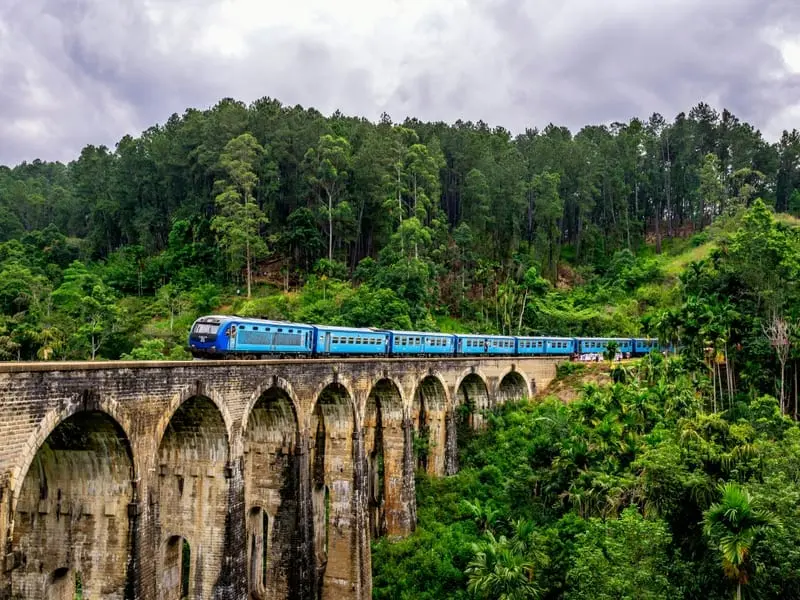
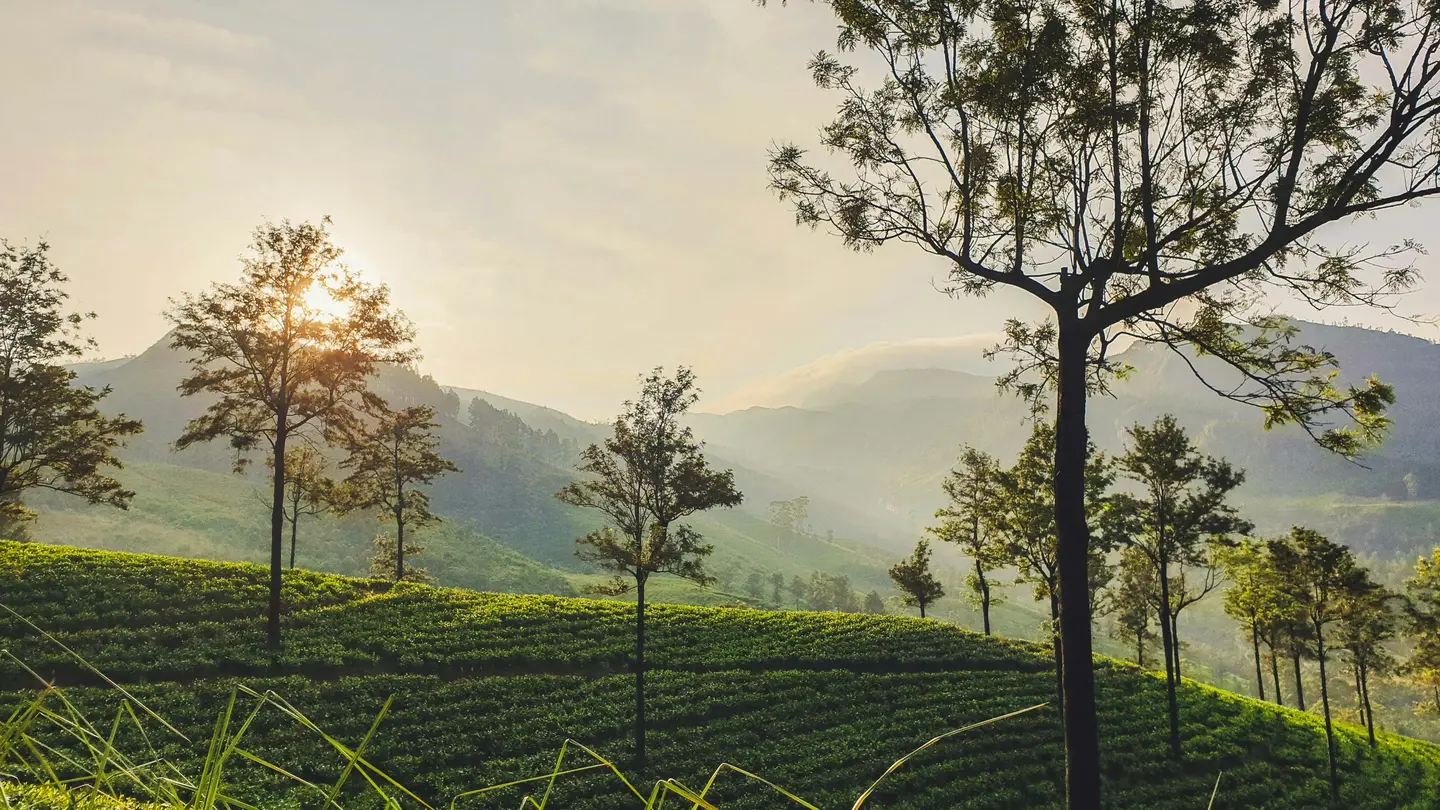
The Hill Country (Ella, Kandy, Nuwara Eliya) and the Cultural Triangle (Sigiriya, Polonnaruwa, Anuradhapura) are broadly accessible year-round, though December to March is the driest period for the highlands.
Month by Month Guide
December – February (Peak Season)
The most popular months to visit. The south and west coast are at their driest and sunniest. Whale watching is excellent off Mirissa (blue whales from November, peak January–March). Christmas and New Year bring the biggest crowds and highest prices — book accommodation months in advance. The hill country is cool and dry — ideal for hiking. Cultural Triangle sites are busy but manageable early morning.
March – April (Shoulder Season)
Still excellent conditions on the south and west coast, with thinning crowds after the February peak. April brings the Sinhala and Tamil New Year (April 13–14) — a wonderful time to experience Sri Lankan culture, but expect transport and accommodation to be busy around the holiday. The east coast begins to open up by late April.
May – September (East Coast Season)
The south-west monsoon brings rain to the west and south coast — not constant downpours, but regular afternoon showers. The east coast, however, is brilliant: Arugam Bay surf season peaks July–August, Trincomalee and Nilaveli have calm, clear water, and Pigeon Island snorkelling is at its best. The hill country and Cultural Triangle remain largely unaffected. This period offers the best value — lower prices and fewer crowds on the west coast despite the weather being far from terrible.
October – November (Inter-monsoon)
October and November see the north-east monsoon arrive, bringing showers to the east coast. The south and west coast begin to clear. Whale watching resumes off Mirissa from November. Crowd levels are relatively low and prices are good — an underrated time to visit if you're focused on the south coast and cultural sites rather than the east coast beaches.
Plan Your Sri Lanka Trip
Compare flights to Colombo Bandaranaike International Airport (CMB) from hundreds of airlines — find the best time to book for your season.
Search Flights to Sri LankaThis post contains affiliate links. We earn a small commission at no extra cost to you.
Best Time for Specific Activities
- Whale watching (Mirissa): November–April, peak January–March
- Surfing Arugam Bay: June–September, peak July–August
- Surfing Weligama/Hikkaduwa: November–April
- East coast beaches: May–September
- South coast beaches: November–April
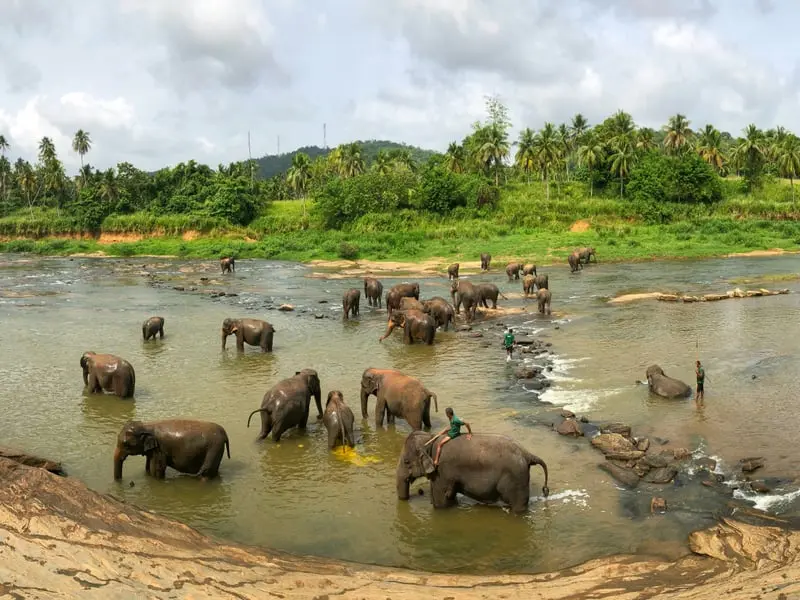
- Elephant gathering (Minneriya): July–October
- Yala leopard safari: February–July (dry season, animals concentrate near water)
- Hiking Adam's Peak: December–May (pilgrimage season; avoid monsoon months)
- Cultural Triangle: Year-round, best December–April
When to Avoid
There is genuinely no "bad" time to visit Sri Lanka — every month has a viable travel area. But if you're limited to one coast, note: the south and west coast are wet May–September, and the east coast is wet October–January. Flying into Colombo and doing a circuit that includes both coasts in December–April or May–September covers most eventualities.