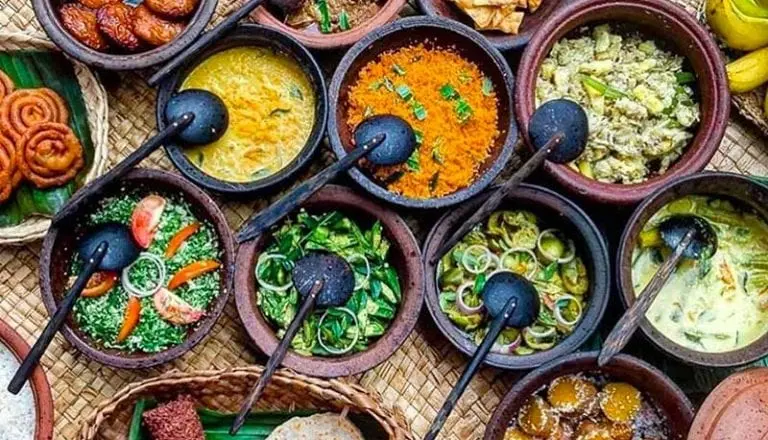
Sri Lankan food is one of Asia's great undiscovered cuisines — and learning to cook it is one of the most rewarding cultural experiences the island offers. A Sri Lankan cooking class is not just a lesson in recipes; it is an introduction to a way of life. You learn which spices go in which curries and why, how to roast and grind your own curry powder, how coconut milk is extracted from the fresh grated flesh, and why Sri Lankan rice-and-curry, for all its apparent simplicity, actually involves balancing a dozen flavours across five or six dishes simultaneously. Most classes are run in family homes or small guesthouses — an intimate experience that gets you behind the tourist curtain and into how Sri Lankans actually live and eat.
What You'll Learn
A typical half-day cooking class (3–4 hours) covers the essentials of Sri Lankan home cooking: Rice and curry — the dhal (lentil) curry that appears at every meal, a vegetable curry (often jackfruit, drumstick or pumpkin), a fish or chicken curry, and pol sambol (freshly grated coconut with chilli, lime and onion — the essential relish). Hoppers (appa) — the fermented rice-flour pancakes cooked in a small wok over high heat, producing a crispy bowl with a soft centre. The technique of swirling the batter to coat the pan walls is the key skill to master. Pol Roti — coconut flatbread cooked on a dry griddle, one of the simplest and most satisfying Sri Lankan breads. More advanced classes add string hoppers (idiyappam), kottu roti, lamprais (a Dutch Burgher baked rice dish) or pittu (steamed rice-flour cylinders). Classes always end with eating what you've cooked together — often the most enjoyable part.
Market Visits
The best classes begin with a market visit — walking through the local pola (weekly market) or permanent market with your teacher, identifying the ingredients, understanding the spices, and choosing fresh produce. This context — seeing the ingredients in their raw, market form before preparing them — transforms a cooking class from a recipe demonstration into a genuine cultural lesson. Ask whether your class includes a market visit when booking.
Where to Take a Class
Kandy
Kandy has several well-established cooking schools catering to visitors — the Kandy market is one of the best in the country, making market-to-table classes particularly rich here. Look for classes run by local families rather than large hotels for the most authentic experience. Classes typically run morning (8am–12pm) with a market visit, or afternoon (2pm–6pm) culminating in dinner.
Galle
The Galle area has several excellent cooking experiences, including some run from colonial-era homes within the Galle Fort — a particularly atmospheric setting. The southern coastal cuisine is notably different from the Kandyan Hill Country cooking style: more coconut, more fish and seafood, and the distinctive southern black curry (made with dark-roasted curry powder). A class in Galle teaches you southern Sri Lankan food specifically.
Ella
Several guesthouses in Ella offer cooking classes — typically more informal, run by the family that owns the guesthouse. The highland setting means the ingredients include locally-grown highland vegetables and the food has a slightly different character from coastal or lowland cooking. Good for travellers already staying in Ella who want to understand local food culture without leaving town.
Book a Sri Lankan Cooking Class
Home cooking classes with local families are more intimate and authentic than hotel cooking schools — book via a reputable experience provider.
Find Cooking ClassesThis post contains affiliate links. We earn a small commission at no extra cost to you.
Key Spices to Know
Understanding Sri Lankan spices makes both the cooking class and your subsequent restaurant meals more meaningful. Pandan leaf (rampe) — a fragrant leaf added to rice and curries for its distinctive tropical aroma. Goraka (Malabar tamarind) — a dried souring agent used specifically in fish and meat curries; gives them a distinctive dark colour and sour depth. Curry leaf — fresh leaves fried in coconut oil at the start of almost every curry, releasing their distinctive nutty-citrus fragrance. Fenugreek seeds — tempered at the start of dhal curry, giving it a slightly bitter, warming depth. Black mustard seeds — fried until they pop, used to start vegetable dishes. Roasted curry powder — Sri Lanka's signature spice blend, much darker and more intensely flavoured than Indian curry powder, made by dry-roasting coriander, cumin, fennel, black pepper, cinnamon, cloves, cardamom and curry leaf. Making your own to take home is one of the most useful things a cooking class teaches you.